
My work
Landscape Design
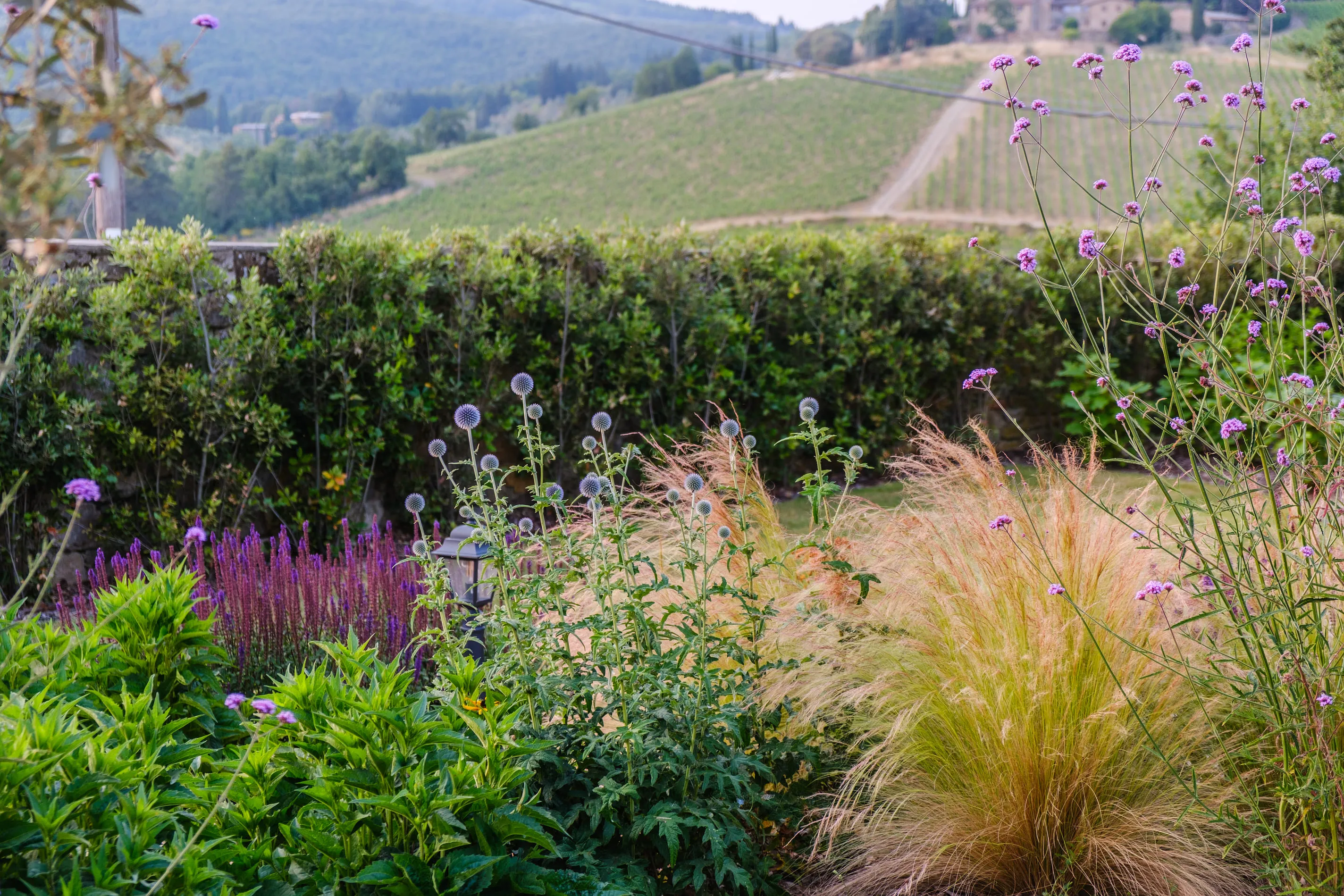
As a landscape designer, my approach consists of a series of essential steps that transform outdoor spaces into functional, sustainable, and beautiful environments, always focusing on the use of low-water, low-maintenance plants.
How I work
The process
- 1
Site inspection
Meeting in the garden with the client to understand their needs and requirements, study the environment, and gain an overall picture.
- 2
Survey
Using suitable and specific equipment, all elements (buildings, existing vegetation, etc.) constituting the project area are measured and subsequently processed into DWG files.
- 3
Design
Development of the project through a series of drawings illustrating plans, cross-sections, reference images, and renderings.
- 4
Construction and Project Management
Organising, co-ordinating and supervising each phase of the garden under construction.
- 5
Post-construction consultations
Monitoring the garden in the months following completion to ensure that proper progress is being made and guide gardeners and/or clients on irrigation and maintenance.

Step 1
1. Site Inspection
The first step is to conduct a garden inspection and to meet with the client/s to discuss their needs and requirements. It is standard practice for a landscape designer to analyze the entire area under study and document all garden characteristics: exposure, terrain morphology, soil type and drainage, water and electricity availability, classification of existing buildings or other masonry and structural works, existing vegetation, and climate. It is also essential to be made aware, provided the client knows, of any underground pipes or electrical cables which could hinder garden construction.
Step 2
2. Survey
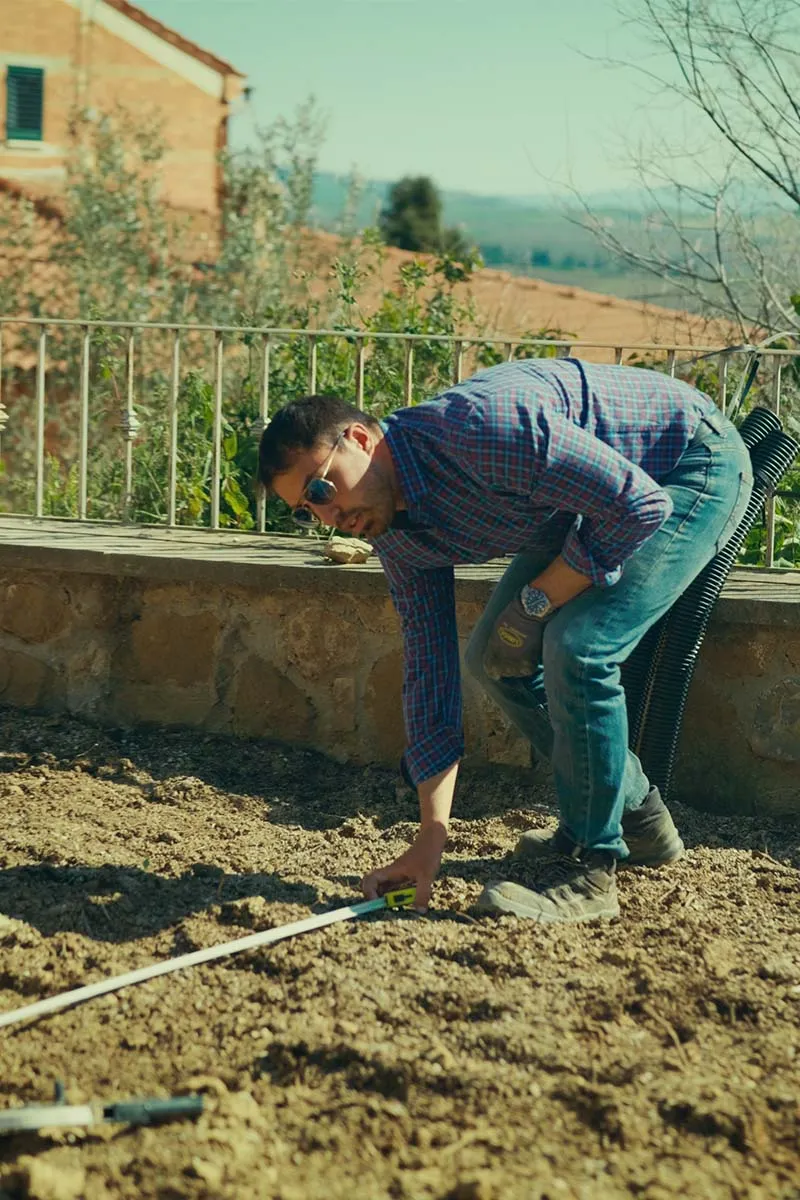
If the client doesn’t have a topographical survey in DWG format, including elevations and changes in level to illustrate the current state of the garden, the firm also offers this option. Using specialized and extremely precise equipment, every element of the area is surveyed: buildings, swimming pools, pergolas, sidewalks and curbs, driveways and/or pedestrian paths. At this stage, it’s essential to gather information on the plant species already present, as this will help us to determine the most suitable plant types for the project. The landscape designer not only carries out topographical surveys but also acquires a photographic archive using drones and cameras.
Step 3
3. Design
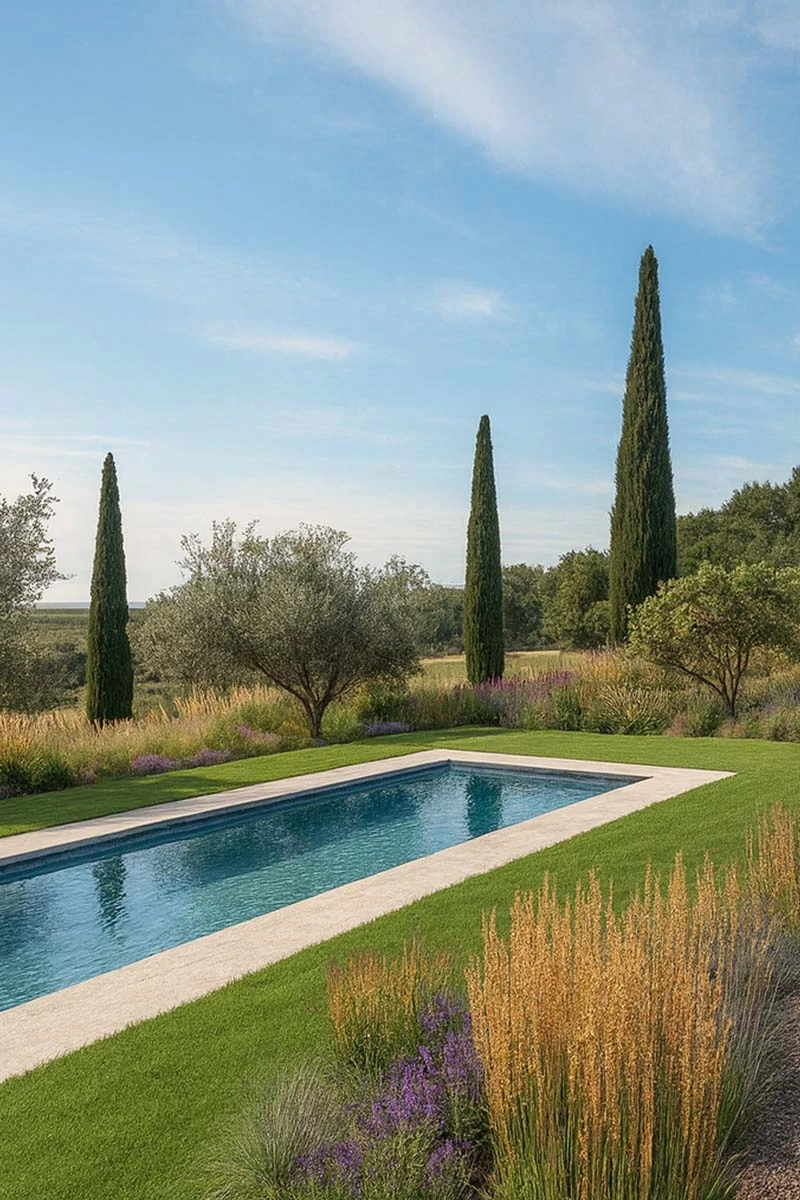
The project begins by drawing on the data acquired during the site inspection and survey. Designing a garden means knowing how to combine the client’s requests with the experience of the landscape designer, who will guide you in creating a garden designed to reflect your needs and enhance the surrounding environment
Above all, it creates a functional, beneficial garden, enjoyable at all times, sustainable over the years, rich in biodiversity, with low water requirements and low maintenance. Initially, a preliminary project will be developed to help both parties understand the best direction to take. Once the work plan has been established, we will proceed with the development, down to the smallest detail of the project, illustrated by means of detailed plans, presentations, and renderings.
Step 4
4. Construction and Project Management
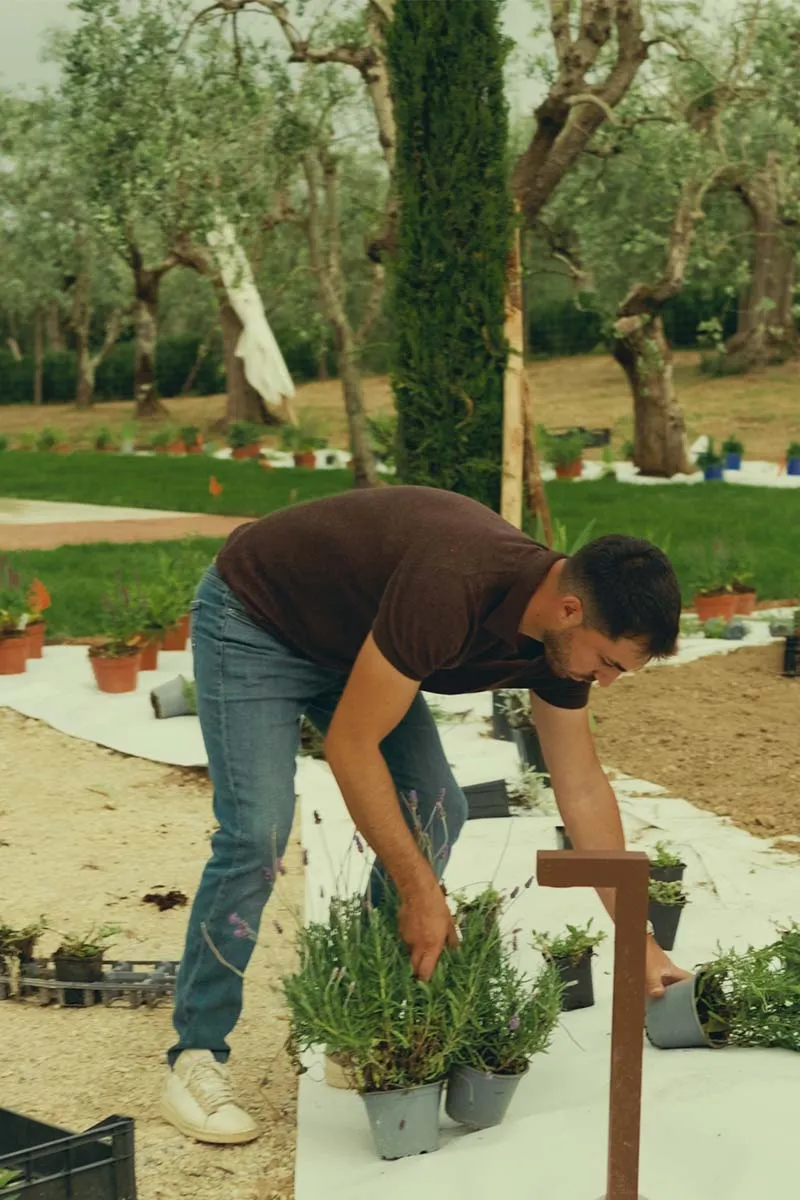
A key factor in creating a truly authentic garden is collaboration with qualified companies. These include gardening firms staffed by personnel specialized in the creation and care of low-water, low-maintenance gardens, and equipped with high-performance, specialized machinery. Plumbers specializing in the creation of irrigation systems, also equipped with specialized equipment that allows for rapid implementation in even very large spaces, with advanced and modern control systems, manageable via smartphone both on-site and remotely. Electricians specializing in outdoor lighting systems; blacksmiths for welding curbs and iron structures; and bricklayers for the construction of walls or walkways.
Just as an architect oversees the construction of a building, the landscape designer oversees every phase of the creation of a garden and will be the client’s primary point of contact.
Step 5
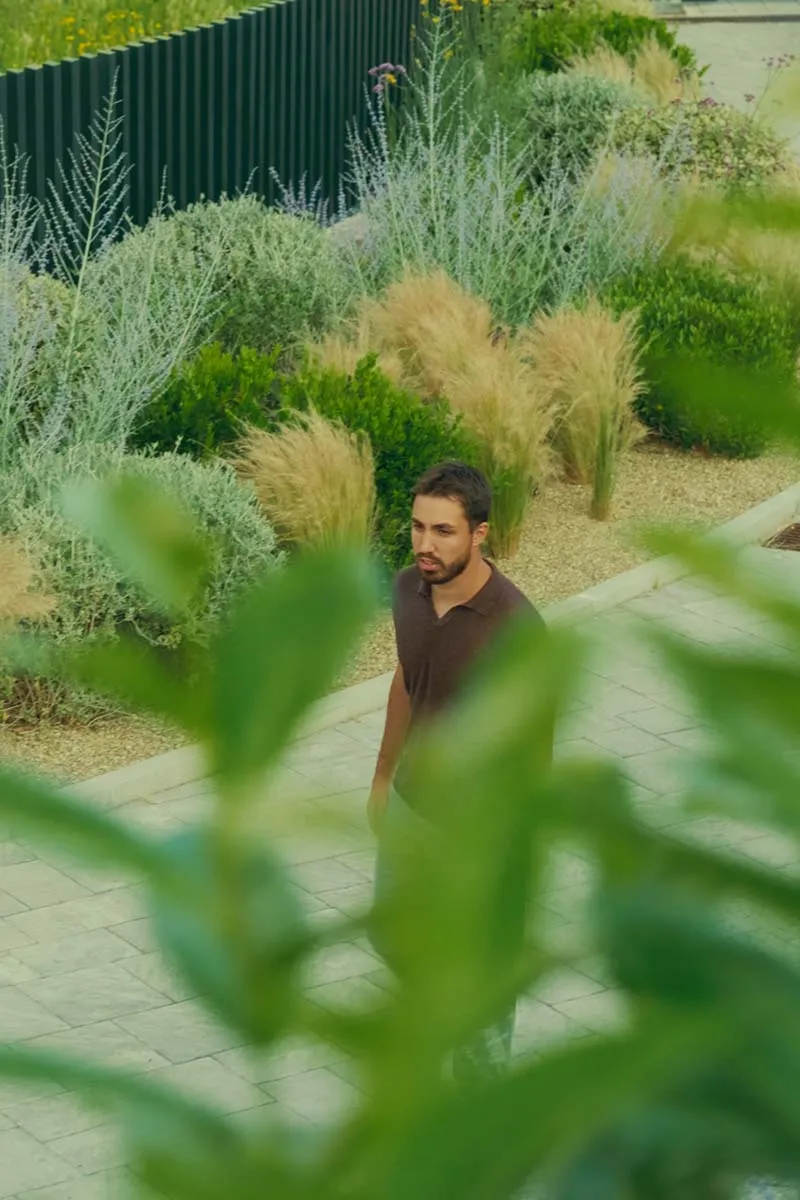
5. Post-construction consultations
Once the construction work is complete, it isn’t enough to simply set up the irrigation system and have a gardener perform the usual tasks required for any garden. Constant monitoring by the landscape designer is essential, at least for the first year, to determine whether the plants are growing properly.